|
In high-performance architecture, natural wood veneers are no longer merely
surface solutions—they’ve become instruments for material
stratification, a design methodology in which layered components of a
space are orchestrated with the precision of a geological composition.
Architects increasingly treat veneers not as cladding but as the outermost
expression of deeper structural, acoustic, and environmental strategies. 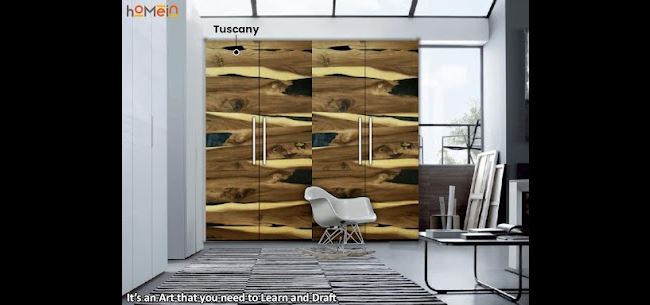
The most progressive applications start with grain as geometry
rather than ornament. Designers are using grain flow to influence spatial
hierarchy: vertical rift-cut patterns that visually elongate compressed
volumes, radial-matched panels that imply curvature in otherwise orthogonal
rooms, or deliberately fractured sequencing that introduces controlled
irregularity into minimalist environments. These choices aren’t aesthetic
indulgences—they are spatial manipulations encoded in the veneer’s biological
DNA.
A defining shift in recent years is the integration of hyper-stable
veneer systems engineered for environments once considered
incompatible with natural wood. Multi-layered backing structures,
polymer-modified adhesives, and humidity-responsive balancing veneers now allow
designers to introduce natural surfaces into wellness spas, transit hubs, and
outdoor-adjacent spaces with highly variable microclimates. The veneer becomes
part of a carefully choreographed performance—expanding and contracting within
tolerances modeled by digital simulations long before installation.
Sustainability conversations around veneers have also advanced into more
nuanced territory. The discourse is no longer limited to conventional
certification but extends into log-level transparency.
High-end manufacturers now provide molecular-scale spectroscopy data to verify
species authenticity and avoid illicit timber pathways. Some even include
“growth biography” dossiers: soil composition, stand density, harvesting
rotation, and drying profiles. This granular material provenance allows architects
to align veneer choices with ESG narratives that go deeper than marketing
slogans.
One of the most fascinating evolutions is the adoption of neuroaesthetic
design principles in veneer selection. Research into biophilic
responses suggests that humans react not only to the presence of wood but to
the type of grain movement, color temperature, and pattern rhythm.
Designers are using this data to curate veneers that encourage calmness in
healthcare spaces, focus in corporate environments, and sensory richness in
hospitality settings. It’s a merger of neuroscience and millwork—a frontier
where biological pattern becomes psychological architecture.
Meanwhile, fabrication studios are embracing algorithm-assisted
craftsmanship, a hybrid workflow where parametric tools decide
macro-sequencing while artisans refine micro-details by hand. Algorithms assign
optimal panel orientation and cut paths based on grain analysis, but final
matching, edge treatment, and finishing remain in the hands of craftspeople
whose judgment transcends digital logic. This symbiosis has elevated veneers to
a category of “augmented natural materials”—neither fully organic nor fully
engineered.
In a design world increasingly dominated by smooth synthetics and digitized
textures, natural wood veneers act as a counterbalance: sophisticated,
data-informed, yet deeply human. They offer a way to fold the unpredictability
of nature into the exacting demands of contemporary architecture. Veneers today
aren’t just surfaces—they are strategic layers in the evolving language of
material intelligence.
For More Related Contents Visit Our
Website:
Website: https://homeinveneers.com
Follow Us
On: Whatsapp, Facebook, Instagram, YouTube, LinkedIn, Pinterest
|











.jpg)